


Pre-workout supplements are defined as performance-enhancing formulas taken before training to increase energy, focus, strength, and endurance. The five main types of pre-workout supplements are stimulant-based, stimulant-free, pump-focused, natural, and nootropic. Each category targets a different performance outcome, and choosing the wrong one wastes money and kills your gains. Evidence-based ingredients like caffeine (3–6 mg/kg), creatine monohydrate (3–5 g daily), beta-alanine (3.2–6.4 g daily), and citrulline malate (6–8 g per serving) separate real formulas from overpriced powder. Know what you’re putting in your body before you hit the floor.
1. what are the types of pre-workout supplements?
Pre-workout supplements, known in sports nutrition as ergogenic aids, fall into five distinct categories based on their primary mechanism. Stimulant-based formulas drive energy and focus through caffeine and related compounds. Stimulant-free options deliver performance support without the nervous system hit. Pump-focused products target blood flow and muscle fullness. Natural pre-workouts use plant-derived ingredients with minimal processing. Nootropic blends add cognitive enhancement to the physical performance equation.
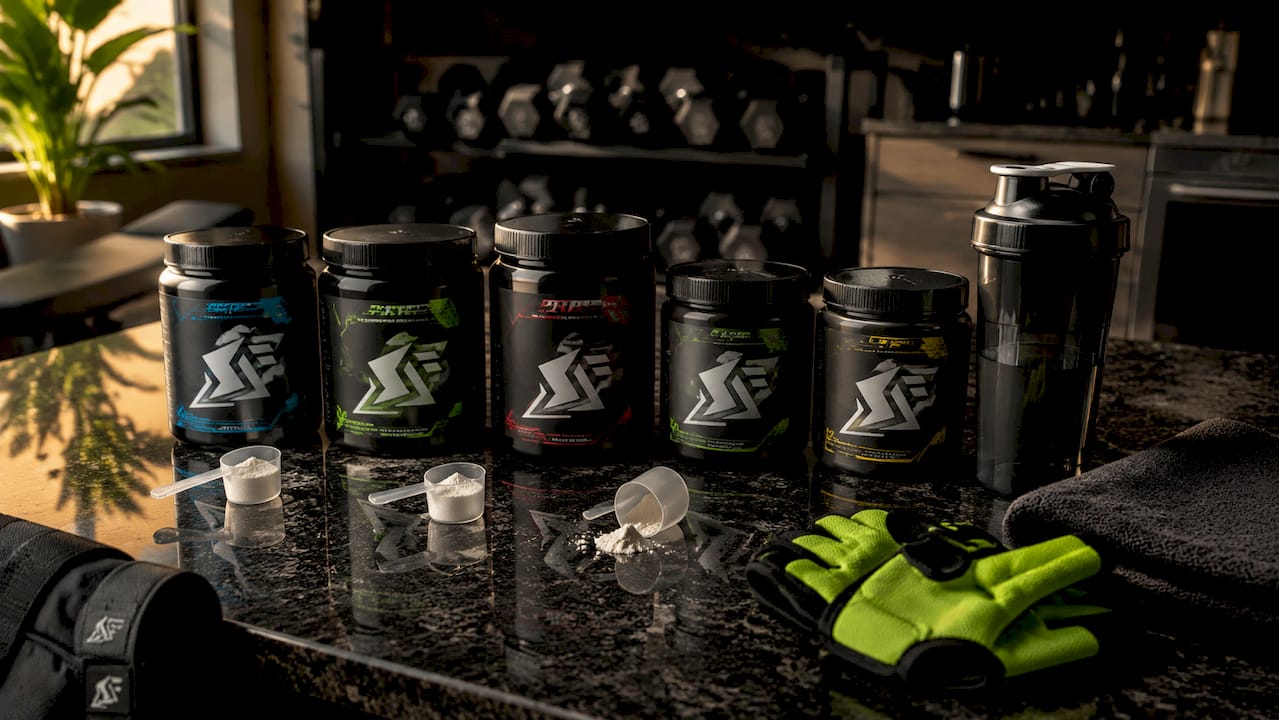
Each type serves a specific athlete profile and training goal. Picking the right category is the first decision. Getting the dosing right is the second.
2. stimulant-based pre-workouts: maximum energy, maximum output
Stimulant-based pre-workouts are the most popular category on the market, and caffeine is the engine. Caffeine at 3–6 mg/kg of body weight is the gold standard dose for ergogenic effect. That translates to roughly 200–400 mg for most athletes. The benefits are real: reduced perceived exertion, sharper focus, faster reaction time, and more reps before fatigue sets in.
What stimulant-based formulas typically contain:
- Caffeine anhydrous (150–350 mg per serving)
- Beta-alanine (3.2–6.4 g for muscle buffering)
- Taurine (for cardiovascular support)
- B vitamins (for energy metabolism)
- Tyrosine (for dopamine and norepinephrine support)
The FDA’s 400 mg daily caffeine limit for healthy adults is the ceiling you do not want to blow past. Exceed it and you trade performance for jitters, elevated heart rate, and a crash that wrecks your afternoon. Most quality stimulant-based pre-workouts land between 150–300 mg per serving, leaving room for your morning coffee.
Stimulant-based formulas come in powders, canned pre-mixed drinks, and capsules. Powders give you the most control over dosing. Pre-mixed drinks are convenient but often carry more sugar and less ingredient transparency.
Pro Tip: Take your stimulant-based pre-workout 20–30 minutes before training and cut off all caffeine at least 6 hours before bed. Wrecking your sleep to squeeze out one extra session is a losing trade.
3. stimulant-free pre-workouts: train hard without the buzz
Stimulant-free pre-workouts are the right call for caffeine-sensitive athletes, evening lifters, or anyone who wants performance support without wiring their nervous system. These formulas rely on compounds that improve physical output through different pathways than stimulants.
Core ingredients in non-stimulant pre-workouts:
- Beta-alanine (3.2–6.4 g for carnosine synthesis and muscle endurance)
- Creatine monohydrate (3–5 g for ATP regeneration)
- L-theanine (100–200 mg for calm focus without sedation)
- Citrulline malate (6–8 g for blood flow and pump)
- Betaine anhydrous (2.5 g for power output)
One myth worth killing right now: the tingling you feel from beta-alanine is not a sign it’s working harder. Beta-alanine’s tingling sensation is a harmless nerve response called paresthesia. It has zero connection to the actual muscle buffering effect, which builds over weeks of consistent dosing. Feeling the tingle means nothing about your performance gains.
Stimulant-free formulas also work well stacked with a low-dose caffeine source if you want a mild lift without the full stimulant load. Learn more about pre-workout tingling science before you chase the buzz.
Pro Tip: Stack 100 mg of caffeine with 200 mg of L-theanine for smooth, jitter-free focus. This 1:2 ratio is one of the most studied cognitive stacks in sports nutrition.
4. pump-focused pre-workouts and muscle performance
Pump-focused pre-workouts are built around nitric oxide production and blood flow enhancement. The goal is to drive more oxygen and nutrients into working muscles, which improves endurance, power output, and that skin-splitting fullness bodybuilders live for. The role of nitric oxide in athletic performance is well-documented and directly tied to citrulline malate’s effectiveness.
Citrulline malate at 6–8 g per serving is the standout ingredient in this category. It converts to arginine in the kidneys more efficiently than arginine itself, which is why arginine supplements often underdeliver. The science on citrulline is strong. The science on arginine as a standalone pump ingredient is not.
| Ingredient | Effective Dose | Primary Effect | Evidence Level |
|---|---|---|---|
| Citrulline Malate | 6–8 g | Nitric oxide boost, pump | Strong |
| Arginine | 3–6 g | Nitric oxide (limited absorption) | Weak |
| Agmatine Sulfate | 500–1,000 mg | Nitric oxide regulation | Moderate |
| Glycerol | 2–3 g | Cellular hydration, fullness | Moderate |
| Beetroot Extract | 500 mg+ | Nitrate conversion, endurance | Strong |
BCAAs and arginine show weak or redundant evidence when protein intake is already adequate. Pump-focused buyers should prioritize citrulline and beetroot extract over flashy proprietary blends that hide doses behind marketing language.
5. natural pre-workouts: clean fuel for serious athletes
Natural pre-workouts are defined by plant-derived ingredients, no artificial dyes, no synthetic stimulants, and minimal filler. This category has grown fast as athletes with dietary restrictions, vegan athletes, and health-conscious performers demand cleaner labels. Vegan pre-workout supplements fall almost entirely into this category.
Common natural pre-workout ingredients and their roles:
- Green tea extract (natural caffeine source with antioxidant support)
- Beetroot powder (dietary nitrates for endurance and blood flow)
- Rhodiola rosea (adaptogen for stress response and stamina)
- Ashwagandha (cortisol management and recovery support)
- Coconut water powder (electrolyte replenishment)
- Maca root (energy and hormonal balance)
Natural does not mean weak. Beetroot powder delivers measurable nitrate conversion that rivals synthetic nitric oxide boosters. Rhodiola rosea has solid research behind its endurance and fatigue-reduction effects. The difference is that natural formulas tend to use whole-food or minimally processed sources, which some athletes tolerate better and absorb more consistently.
The biggest risk in this category is underdosing. Many brands slap “natural” on the label and then load the formula with sub-therapeutic amounts of every ingredient. Demand full label transparency and check every dose against published research benchmarks.
Pro Tip: Look for a Supplement Facts panel that lists every ingredient with its individual dose. Any formula hiding behind a “proprietary blend” label is telling you it cannot defend its dosing. Walk away.
6. nootropic pre-workouts: train your brain to train harder
Nootropic pre-workouts target the mental side of performance. These formulas contain cognitive enhancers that sharpen focus, reduce mental fatigue, and stabilize mood during high-intensity training. The term “nootropic” refers to any compound that supports brain function, memory, motivation, or mental clarity.
Theanine, rhodiola rosea, and ashwagandha are the three most researched nootropic compounds in pre-workout formulas. Theanine smooths out caffeine’s edge. Rhodiola supports endurance under psychological stress. Ashwagandha blunts cortisol, which matters when you’re training twice a day or managing a brutal performance schedule.
Nootropic pre-workouts make the most sense for athletes dealing with mental fatigue, distraction, or high-stress training blocks. Performers, musicians, and fighters who need sharp focus under pressure get real value from this category. The mental component of a heavy lift or a two-hour stage set is not separate from physical performance. It is physical performance.
One caution: the nootropic category attracts the most overhyped, underdosed ingredients in the supplement industry. Alpha-GPC and lion’s mane mushroom show promise, but many products include them at doses too low to matter. Verify doses against clinical research before buying.
7. how to choose the right pre-workout for your goals
The best pre-workout for you depends on four variables: training time, caffeine tolerance, primary performance goal, and ingredient sensitivity. This table cuts through the noise.
| Type | Key Ingredients | Best For | Main Benefit | Watch Out For |
|---|---|---|---|---|
| Stimulant-Based | Caffeine, beta-alanine, tyrosine | Morning/afternoon training | Energy, focus, power | Jitters, sleep disruption |
| Stimulant-Free | Creatine, beta-alanine, L-theanine | Evening training, caffeine sensitivity | Endurance, steady output | Slower perceived onset |
| Pump-Focused | Citrulline malate, glycerol, beetroot | Bodybuilding, hypertrophy | Blood flow, muscle fullness | Arginine-heavy formulas |
| Natural/Clean | Green tea, rhodiola, beetroot | Vegan athletes, clean label seekers | Fewer additives, steady energy | Underdosed formulas |
| Nootropic | Theanine, ashwagandha, rhodiola | Mental fatigue, high-stress training | Focus, mood, motivation | Overhyped, weak doses |
Beginners should start with a stimulant-free or low-caffeine formula to assess tolerance before stepping up to full-strength stimulant products. Pre-workouts with undisclosed proprietary blends often mask underdosing of key ingredients. Always choose a brand that shows every ingredient and every dose on the label.
Creatine monohydrate works through daily saturation over weeks, not through a single pre-workout dose. If your formula includes creatine, treat it as a daily supplement, not just a pre-workout ritual. The science on daily creatine intake confirms that timing matters far less than consistency.
Key takeaways
The most effective pre-workout strategy matches your supplement type to your training time, caffeine tolerance, and primary performance goal using fully disclosed, research-backed ingredient doses.
| Point | Details |
|---|---|
| Match type to goal | Stimulant-based for energy, pump-focused for blood flow, nootropic for mental performance. |
| Dose transparency is non-negotiable | Avoid proprietary blends that hide individual ingredient amounts. |
| Creatine needs daily use | Creatine monohydrate builds through saturation over weeks, not single doses. |
| Beta-alanine tingling is not performance | The tingling sensation is a nerve response, unrelated to muscle buffering benefits. |
| Caffeine has a hard ceiling | Stay at or below 400 mg daily to avoid diminishing returns and health risks. |
What i’ve learned after years of chasing the perfect pre-workout
Here is the uncomfortable truth most supplement content will not tell you: the buzz is not the point. I spent years chasing the hardest-hitting stimulant formulas, convinced that the bigger the kick, the better the session. That logic is wrong.
Long-term gains come from training consistency, not from any single acute supplement effect. The pre-workout that helps you show up, stay focused, and push through the hard sets every single week is worth more than the one that sends you into orbit twice and then wrecks your sleep for three days.
The athletes I respect most treat pre-workouts as tools, not crutches. They know their caffeine tolerance. They read labels. They cycle stimulants to preserve sensitivity. And they never confuse a tingling sensation or a skin-splitting pump with actual progress. Progress is measured in weight on the bar, reps completed, and performance sustained over months.
Pick your type based on your goals. Demand full label transparency. Use it consistently. Then go do the work that actually builds you.
— Ronnie Savoie
Fuel your training with savageaf’s performance stack
You now know exactly which pre-workout type fits your goals. Savageaf built its supplement line for athletes who refuse to settle for underdosed, overhyped products.
The Savageaf Performance Stack combines pre-workout, BCAA, and creatine into one powerhouse bundle designed for serious energy, focus, and recovery. Every formula is built around the same evidence-based ingredients covered in this guide, with full label transparency and doses that actually move the needle. Whether you’re grinding through a brutal leg day or performing on stage for two hours straight, Savageaf has the fuel. Explore the full hardcore athlete supplement range and find your stack.
FAQ
What is a pre-workout supplement?
A pre-workout supplement is a formula taken before training to increase energy, focus, endurance, and strength. Most formulas contain caffeine, creatine, beta-alanine, or citrulline malate as core active ingredients.
What are the best pre-workout ingredients in 2026?
The four most evidence-based pre-workout ingredients are caffeine (3–6 mg/kg), creatine monohydrate (3–5 g daily), beta-alanine (3.2–6.4 g daily), and citrulline malate (6–8 g per serving). These have the strongest research support for real performance gains.
Are non-stimulant pre-workouts effective?
Non-stimulant pre-workouts are effective when they contain clinically dosed ingredients like creatine, beta-alanine, and citrulline malate. They deliver real performance benefits without caffeine, making them ideal for evening training or caffeine-sensitive athletes.
How do i choose between stimulant-based and stimulant-free pre-workouts?
Choose stimulant-based if you train in the morning or afternoon and tolerate caffeine well. Choose stimulant-free if you train in the evening, are sensitive to caffeine, or want to preserve stimulant sensitivity over time.
Why should i avoid proprietary blends in pre-workouts?
Proprietary blends hide individual ingredient doses, which means key compounds are often underdosed below the threshold needed for any real effect. Always choose formulas that list every ingredient with its exact amount per serving.


