


Pre-workout supplements are defined as multi-ingredient formulas designed to increase energy, focus, strength, and endurance before training sessions. When you use pre-workout in the gym correctly, the difference between a mediocre session and a session that breaks personal records is not willpower alone. It is science, timing, and the right ingredients firing together. Products built around caffeine, beta-alanine, and creatine have real research behind them, and pre-workout effects are modest but compound into meaningful gains over consistent training cycles. This guide gives you everything you need to dose smart, train harder, and stop leaving performance on the table.
How to use pre-workout in the gym for best results
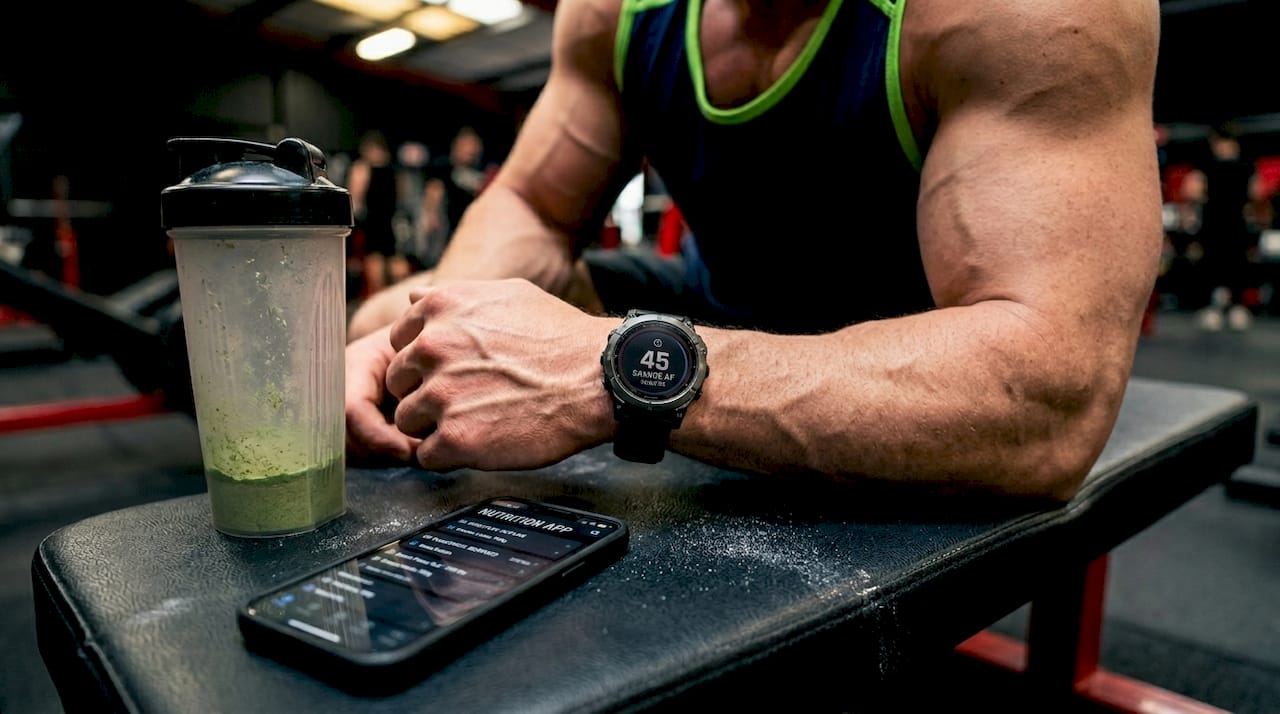
Most people get this wrong. They walk into the gym, slam their pre-workout at the front desk, and wonder why they feel nothing until the drive home. The correct approach is to time your dose 30 to 60 minutes before your first heavy set, not before you walk through the door. That distinction alone changes everything about how the formula hits.
Here is a step-by-step protocol that works:
- Check the label first. Every formula is different. Follow the serving size printed on the container. Do not double-scoop because you think more is better.
- Mix and drink 30 to 60 minutes before your first working set. Caffeine and most active compounds reach peak plasma levels in that window. Starting the clock at gym entry wastes the peak.
- Eat something light beforehand. Taking a strong stimulant formula on an empty stomach increases the risk of nausea and jitters, especially for beginners.
- Hydrate aggressively. Pre-workouts pull water into muscle tissue and increase sweat rate. Drink at least 16 ounces of water with your serving.
- Account for all caffeine sources. Coffee, energy drinks, and tea all count toward your daily total. Stack them carelessly and you will feel wrecked, not wired.
Pro Tip: If your workout starts at 6 PM, mix your pre-workout at 5:15 PM, not when you park the car. That 45-minute window is where the magic lives.
Your workout type also affects timing. Strength athletes doing heavy compound lifts benefit from the full 45 to 60 minute window. Athletes doing high-intensity interval training or circuit work can often get away with 30 minutes. Metabolism speed, body weight, and caffeine tolerance all shift the curve slightly. Start conservative and adjust from there.
What ingredients actually do the work?
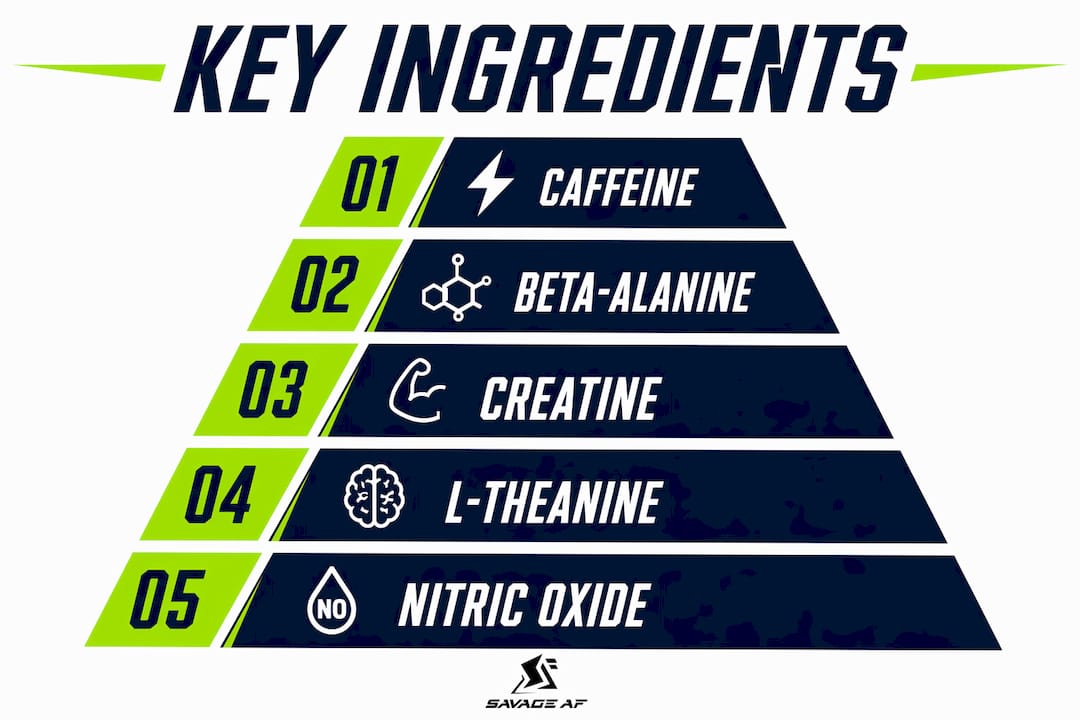
Not all pre-workout formulas are built equal. The role of pre-workout in gym sessions depends almost entirely on what is inside the container. Here is a breakdown of the core ingredients and what the research actually says about each one.
| Ingredient | Primary benefit | Key detail |
|---|---|---|
| Caffeine | Energy and alertness | Cap single doses at 200 mg; total daily limit is 400 mg |
| Beta-alanine | Delays muscle fatigue | Works best in 1 to 4 minute high-intensity efforts |
| Creatine | Short-term power output | Requires consistent daily use; single-dose effects are limited |
| Citrulline/Arginine | Muscle pump and blood flow | Boosts nitric oxide for better nutrient delivery |
| Nootropics (L-theanine, tyrosine) | Mental focus and stamina | Pairs well with caffeine to reduce jitter response |
Caffeine is the anchor of nearly every stimulant formula. It makes workouts feel easier by increasing alertness and enabling you to push through fatigue that would otherwise shut you down. The science on caffeine and performance is among the most replicated in sports nutrition. Keep single doses at or below 200 mg and total daily intake under 400 mg to stay in the safe zone.
Beta-alanine is the ingredient behind that familiar skin-tingling sensation. That tingle is not a side effect to fear. It signals effective dosing. Beta-alanine improves performance in high-intensity efforts lasting one to four minutes by raising muscle carnosine levels, which buffers the acid buildup that kills your sets. The catch is that it requires weeks of consistent use to fully saturate muscle tissue. One scoop before leg day will not do it alone.
Creatine supports ATP regeneration between sets, meaning you recover faster and can push more total volume. Creatine’s acute effects from a single dose are limited. It works best when taken daily, whether you train that day or not. Nitric oxide precursors like citrulline and arginine drive blood flow into working muscles, creating the pump that signals serious nutrient delivery and supports continuous training capacity.
Pro Tip: L-theanine stacked with caffeine blunts the jittery edge while keeping the focus sharp. Look for formulas that include both if you are sensitive to stimulants.
Safety, side effects, and mistakes to stop making
Pre-workout supplements are not dangerous when used correctly. They become a problem when you ignore the label, stack stimulants carelessly, or dose at 9 PM and wonder why you cannot sleep.
The most common mistakes that wreck your results and your health:
- Exceeding the daily caffeine ceiling. Healthy adults should cap total daily caffeine at 400 mg and single pre-workout doses at 200 mg. Going over that threshold raises the risk of anxiety, heart palpitations, and sleep disruption. That means your afternoon coffee, your pre-workout, and your post-workout energy drink all count together.
- Ignoring the beta-alanine tingle. The tingling from beta-alanine is harmless. It is called paresthesia and it is a known, temporary response to effective dosing. If it bothers you, split your dose into two smaller servings throughout the day.
- Training late and using a stimulant formula. Caffeine has a half-life of roughly five hours. A 200 mg dose at 7 PM still has 100 mg circulating at midnight. Late-day training demands a low-caffeine or stimulant-free formula if you want to protect your sleep and your recovery.
- Skipping food entirely before dosing. An empty stomach amplifies stimulant absorption and increases the chance of nausea and jitters. A small meal or snack 60 to 90 minutes before you dose is the move.
- Cycling off is not optional. Daily stimulant use builds tolerance fast. Take one to two weeks off every eight to twelve weeks to reset your sensitivity and keep the formula hitting the way it should.
Beginners should start with half a serving to assess tolerance before committing to a full dose. Your body needs time to calibrate to new stimulant loads.
Pro Tip: Track your caffeine intake in an app like Cronometer for one week. Most people are shocked to discover they are already at 300 mg before they touch their pre-workout.
How to choose the right pre-workout for your goals
The best pre-workout for gym use is the one that matches your training style, your schedule, and your caffeine tolerance. There is no single formula that wins for every athlete.
Here is how to narrow it down:
- Identify your primary goal. Strength athletes need creatine and high-dose caffeine. Endurance athletes benefit more from citrulline and beta-alanine. Focus-driven athletes doing skill work or sport-specific training want nootropic-heavy formulas with moderate stimulants.
- Check your training time. Morning lifters can handle full-stimulant formulas. Evening athletes should reach for stimulant-free options that deliver pump and focus without disrupting sleep.
- Demand transparent labeling. Proprietary blends hide individual ingredient doses behind a total weight. You cannot know if you are getting an effective dose of citrulline or a token amount. Choose formulas that list every ingredient with its exact dose.
- Look for third-party certification. NSF Certified for Sport and Informed Sport are the two most recognized certifications. They confirm that what is on the label is what is in the container, with no banned substances.
- Start with single-ingredient products if you are new. A standalone caffeine capsule or a pure creatine monohydrate product lets you understand how each ingredient affects you before you combine them in a multi-ingredient stack.
Multi-ingredient pre-workouts, often called MIPS in research, can increase muscle size indicators acutely through improved blood flow and nutrient delivery. That is the science behind the pump you feel. It is real, and it matters for training quality. Savageaf’s Release the Beast pre-workout is built on this principle, with a full-disclosure label and a formula designed for athletes who do not accept half measures.
Key takeaways
Pre-workout supplements deliver real performance benefits when timed correctly, dosed responsibly, and matched to your specific training goals.
| Point | Details |
|---|---|
| Timing is everything | Take your pre-workout 30 to 60 minutes before your first working set, not when you enter the gym. |
| Ingredients drive results | Caffeine, beta-alanine, creatine, and citrulline each serve distinct roles; match the formula to your goal. |
| Caffeine has a hard ceiling | Cap single doses at 200 mg and total daily intake at 400 mg to avoid anxiety and sleep disruption. |
| Consistency beats acute dosing | Beta-alanine and creatine require weeks of regular use to deliver their full performance benefits. |
| Choose by training time | Evening athletes need stimulant-free formulas to protect sleep quality and recovery. |
What I have learned from years of pre-workout use
I have been in the gym long enough to have made every mistake in this article. I double-scooped when I thought I was invincible. I dosed at 9 PM and stared at the ceiling until 2 AM. I bought formulas with proprietary blends and had no idea whether I was getting 3 grams of citrulline or 300 milligrams.
Here is what I know now. Pre-workout is a tool, not a crutch. The athletes who get the most out of it are the ones who treat it like a precision instrument, not a party drug. You dose it right, you train with everything you have, and you let the ingredients do their job. The tingling from beta-alanine is not a warning. It is a signal that you are loaded and ready to go to war.
The mindset matters as much as the formula. Pre-workout does not replace intensity. It amplifies it. If you walk into the gym already locked in, already committed to the session, the right formula turns that intensity into output. If you walk in distracted and half-committed, no amount of caffeine fixes that.
Find your timing sweet spot. Experiment with your dose. Respect the ceiling on stimulants. And never, ever skip the work.
— Ronnie Savoie
Fuel your sessions with Savageaf
You now know how to time it, dose it, and pick the right formula. The next step is putting that knowledge into a product that actually delivers.
Savageaf builds pre-workouts for athletes who do not train halfway. Every formula in the performance supplement collection is built with full-disclosure labeling, research-backed ingredients, and the kind of intensity that matches the people using it. Whether you need a full-stimulant formula for morning destruction or a no-stim option for late-night sessions, Savageaf has the formula for your battlefield. Stop guessing. Start training with something built for the way you actually live.
FAQ
When should you take pre-workout before the gym?
Take pre-workout 30 to 60 minutes before your first working set. Timing your dose at gym entry rather than before your warm-up wastes the peak active window of most ingredients.
Is pre-workout effective for muscle gain?
Pre-workout supplements support muscle gain indirectly by increasing training volume, energy, and focus during sessions. Creatine and beta-alanine in particular contribute to greater work capacity over time when used consistently.
What does beta-alanine tingling mean?
The tingling sensation from beta-alanine, called paresthesia, is a harmless and expected response to effective dosing. It signals that the ingredient is active, though full performance benefits require several weeks of daily supplementation.
Can beginners use pre-workout supplements?
Beginners can use pre-workout supplements safely by starting with half a serving to assess tolerance and avoiding formulas with very high caffeine doses. Eating a light meal before dosing reduces the risk of nausea and jitters.
What is the safest daily caffeine limit from pre-workout?
Healthy adults should limit total daily caffeine to 400 mg, with no single pre-workout dose exceeding 200 mg. Exceeding these thresholds increases the risk of anxiety, elevated heart rate, and disrupted sleep.


