


Supplements for muscle growth are defined as targeted nutritional compounds that fill dietary gaps, accelerate recovery, and amplify training adaptations when layered on top of consistent effort. To maximize gym results with supplements, you need three non-negotiable pillars: creatine monohydrate, whey protein, and magnesium. These are not trendy quick-fixes. They are the most evidence-backed tools in sports nutrition, and every serious gym-goer, athlete, and performer should know exactly how to use them. The rest is noise. This guide cuts through it.
Which supplements deliver the best returns for muscle growth?
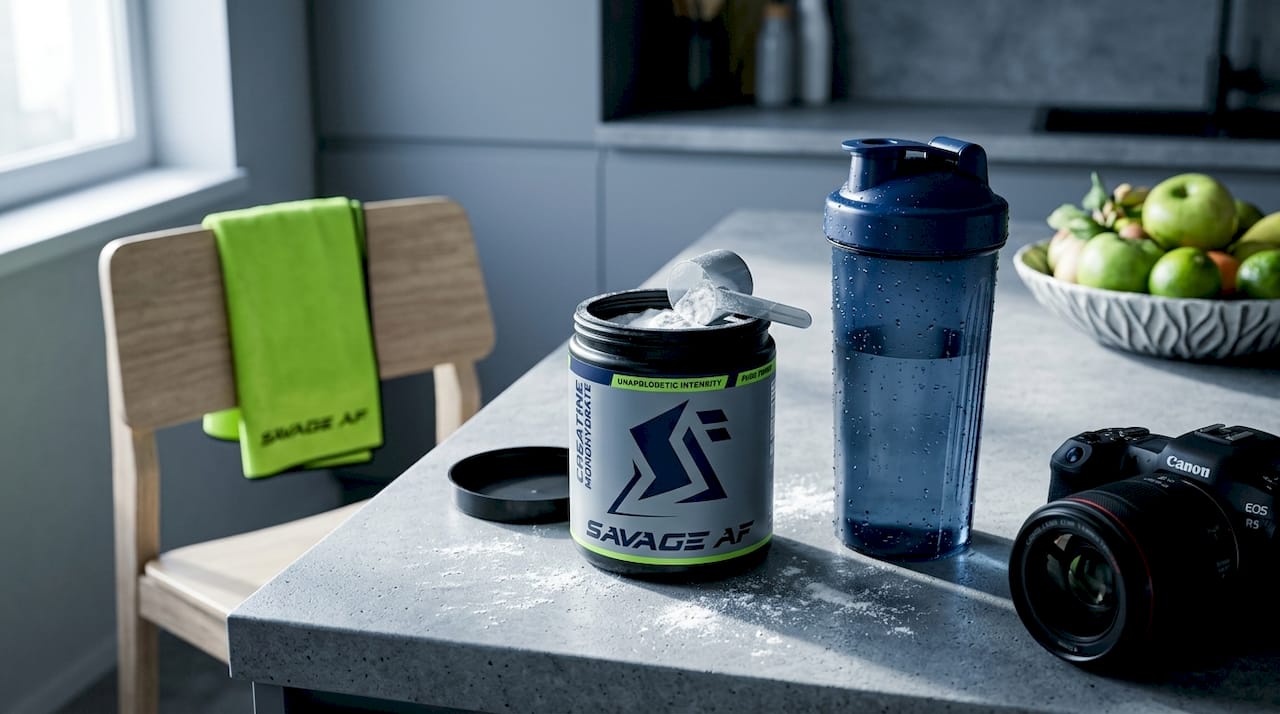
Creatine monohydrate significantly increases lean body mass and muscular hypertrophy when combined with resistance training. That means more weight moved, more reps completed, and more muscle built over time. No other supplement has a stronger evidence base for raw strength and size gains.
Here are the core supplements worth your money and attention:
- Creatine monohydrate: 3 to 5 grams daily, taken consistently. No loading phase required. It works by saturating your muscle phosphocreatine stores, giving you more explosive power output on every set. Daily creatine use is what builds those stores over weeks, not a single pre-workout dose.
- Whey protein isolate: Whey rapidly delivers all nine essential amino acids, especially leucine, within 60 to 90 minutes post-workout. Leucine is the primary trigger for muscle protein synthesis. No leucine spike, no growth signal.
- Magnesium glycinate: Magnesium glycinate improves post-exercise recovery by reducing muscle soreness and enhancing sleep quality. Sleep is when muscle is actually built. Shortchange your sleep, and you shortchange your gains.
- Caffeine-based pre-workout: Caffeine improves training intensity but tolerance builds fast. Use it strategically, not as a daily crutch.
| Supplement | Primary Benefit | Optimal Dose |
|---|---|---|
| Creatine monohydrate | Strength and hypertrophy | 3 to 5g daily |
| Whey protein isolate | Muscle protein synthesis | 25 to 40g post-workout |
| Magnesium glycinate | Recovery and sleep quality | 200 to 400mg before bed |
| Caffeine pre-workout | Training intensity and focus | 150 to 300mg pre-session |
Pro Tip: Start with creatine and whey protein before adding anything else. These two alone, combined with hard training, will produce more results than a cabinet full of exotic compounds.
How to incorporate supplements effectively into your workout routine
Timing and consistency separate people who get results from people who just spend money. Precision in supplement timing significantly influences efficacy, and the difference between random dosing and structured dosing is measurable in muscle gained over months.
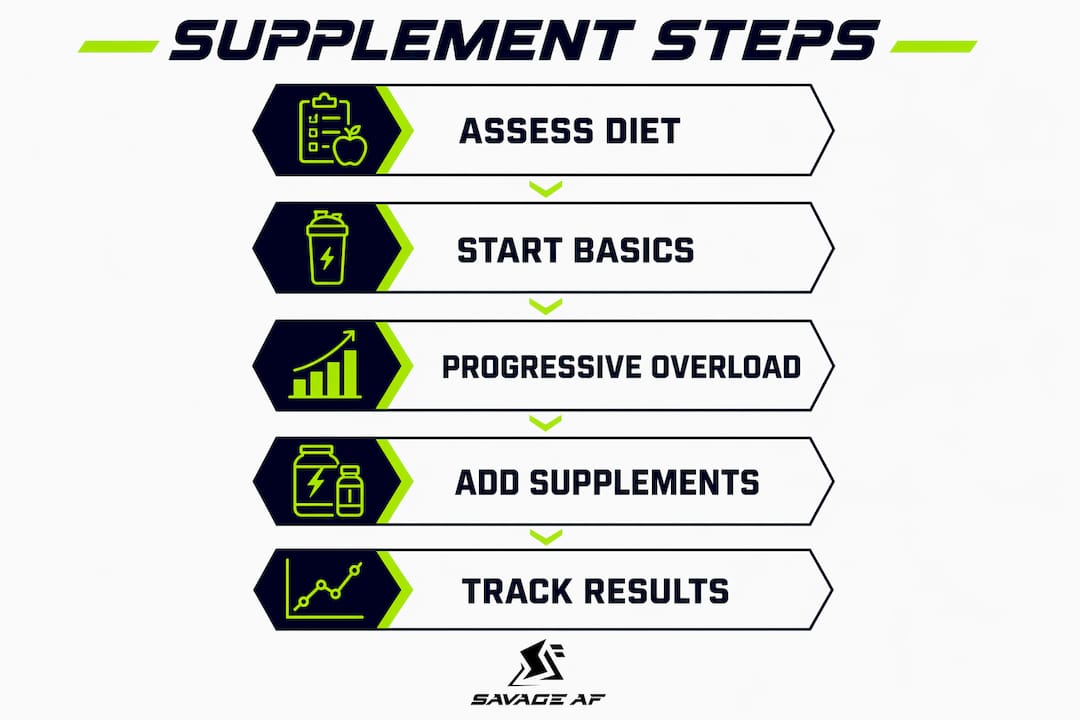
Follow this sequence to lock in your supplement protocol:
- Take creatine every single day. Workout day or rest day, it does not matter. Creatine works by accumulating in muscle tissue over time. Missing days slows that saturation process. Pick a time you will not forget and stick to it.
- Hit whey protein within 60 to 90 minutes after training. This is your anabolic window. Post-workout protein timing directly supports the muscle repair process that training triggers. Do not wait three hours and wonder why recovery is slow.
- Distribute protein across four or more meals daily. Four or more protein feedings optimize anabolic signaling throughout the day. One massive protein meal does not produce the same effect as consistent feeding every three to four hours.
- Take magnesium glycinate 30 to 60 minutes before bed. This is not optional if you train hard. Deep sleep is where growth hormone surges and muscle tissue repairs. Magnesium accelerates your ability to get there.
- Use pre-workout on your hardest training days only. Cycle it. Take one to two weeks off every four to six weeks. This keeps caffeine sensitivity sharp and prevents the flat, dead feeling that comes from daily stimulant dependence.
- Hydrate aggressively throughout the day. Creatine draws water into muscle cells. If you are under-hydrated, you blunt its effect and increase cramping risk. Aim for at least half your bodyweight in ounces of water daily.
Pro Tip: Before you add any supplement, nail your progressive overload. Supplements produce diminishing returns when training intensity and recovery are inadequate. Add weight to the bar first. Then optimize your stack.
Common mistakes and myths that kill your gym progress
Most people do not fail because they picked the wrong supplement. They fail because they built their entire strategy on myths. Here are the ones doing the most damage:
- Chasing rapid results with unregulated products. Unregulated stimulant supplements pose real cardiovascular and health risks. Products promising 20 pounds of muscle in 30 days are not supplements. They are liabilities. Stick to proven compounds with clean safety records.
- Treating supplements as a replacement for training. Arnold Schwarzenegger has said it plainly: mechanical tension and consistency drive muscle growth, not what you swallow. Supplements support the process. They do not create it.
- Expecting results in two weeks. Visible muscle changes take weeks to months. Anyone who tells you otherwise is selling something dangerous. Patience combined with relentless consistency is the actual formula.
- Stacking ten supplements at once. More products do not equal more gains. Overloading your protocol makes it impossible to identify what is working. Start with three foundational supplements. Master them. Then add if needed.
- Ignoring sleep and nutrition while spending on supplements. You cannot out-supplement a garbage diet and four hours of sleep. Creatine and whey protein are powerful tools, but they work within a system. Break the system and the tools become useless.
“Muscle-building is a slow, steady process. Persistence, training volume, and proper nutrition remain more effective than chasing rapid results through supplements.” This is not a motivational quote. It is a biological fact backed by decades of research.
Supplement selection based on your goals and lifestyle
Not every gym-goer needs the same stack. Your supplement selection should match your specific goals, training volume, and the demands of your lifestyle outside the gym.
| Goal | Priority Supplements | Notes |
|---|---|---|
| Maximum muscle gain | Creatine, whey protein, magnesium | Protein at 1.0g per pound of bodyweight daily |
| Fat loss with muscle retention | Whey protein, creatine | Maintain protein high to preserve lean mass |
| General fitness and energy | Magnesium, whey protein, caffeine pre-workout | Lower creatine priority unless strength is a goal |
| High-performance lifestyle (athletes, performers) | Full stack plus recovery support | Sleep and stress management become critical variables |
Musicians, performers, and athletes who train hard and live harder face a specific challenge: recovery time is compressed. You are not just recovering from the gym. You are recovering from late nights, travel, stage performance, and high-stress environments. For this group, magnesium becomes non-negotiable. Building an athlete recovery checklist that includes magnesium, protein timing, and sleep hygiene is the difference between sustaining peak performance and burning out.
For anyone new to supplementation, step-by-step health optimization means starting simple before layering complexity. Creatine and whey protein alone, combined with 1.0 gram of protein per pound of bodyweight, will produce measurable results within six to eight weeks. Add magnesium. Assess. Then decide if a pre-workout or additional recovery support belongs in your protocol.
Pro Tip: If you are unsure where to start, consult a sports dietitian or physician before adding any new supplement, especially if you have existing health conditions or are on medication. Clean, proven supplements carry minimal risk, but personalization always wins over generic stacking.
Key takeaways
Creatine monohydrate, whey protein, and magnesium are the three supplements with the strongest evidence base for gym performance, and they work only when layered on top of consistent training, proper nutrition, and quality sleep.
| Point | Details |
|---|---|
| Creatine is the top performer | Take 3 to 5g daily without exception to saturate muscle stores and drive strength gains. |
| Protein timing matters | Consume whey protein within 60 to 90 minutes post-workout to trigger muscle protein synthesis. |
| Magnesium accelerates recovery | 200 to 400mg before bed reduces soreness and improves sleep quality for faster muscle repair. |
| Pre-workout requires cycling | Use caffeine-based pre-workouts strategically on hard training days only to preserve sensitivity. |
| Training always comes first | Supplements produce minimal returns without progressive overload and sufficient training intensity. |
Why I stopped chasing the stack and started building the foundation
I have watched guys walk into the gym with a bag full of supplements and walk out six months later looking exactly the same. I have also watched guys with nothing but creatine, a protein shake, and a relentless work ethic add 15 pounds of muscle in a year. The difference was never the stack.
The honest truth is that most people use supplements as a psychological substitute for the hard work they are not doing. They buy the pre-workout because it feels like progress. It is not. Progress is adding weight to the bar every two weeks and sleeping eight hours a night. Supplements are the multiplier on top of that foundation, not the foundation itself.
What changed my results was not finding a better product. It was getting obsessive about the basics. Creatine every day without fail. Protein distributed across every meal. Magnesium before bed so my sleep actually did something. Pre-workout only when I needed to go to war on a heavy squat day, not because I was tired on a Tuesday.
The role of protein in recovery is something most people intellectually understand but practically ignore. They eat one big meal, skip breakfast, and wonder why they are not growing. Consistency in nutrition is as important as consistency in training. Treat your supplement protocol the same way you treat your training program: structured, progressive, and non-negotiable.
If you are a performer, musician, or athlete living at full intensity, the stakes are even higher. Your body is your instrument. Treat it like one.
— Ronnie Savoie
Fuel your training with Savageaf supplements
You know what works. Now get the weapons to back it up.
Savageaf builds supplements for people who do not make excuses. The Beast Bites Creatine Gummies deliver your daily creatine dose without the powder mess, making consistency dead simple. The Impact Whey Protein Isolate hits fast, tastes savage, and gives your muscles exactly what they need post-session. For days when you need to push harder without the stimulant crash, the Primal Surge No-Stim Pre-Workout delivers pump and endurance without the jitters. Browse the full Savage AF performance collection and build the stack your training deserves.
FAQ
What supplements actually work for muscle growth?
Creatine monohydrate, whey protein, and magnesium glycinate are the three supplements with the strongest evidence for muscle growth and recovery. Combined with consistent resistance training, creatine and whey protein can increase muscle mass by 0.5 to 2 kg more than training alone within weeks to months.
When should I take creatine for best results?
Take creatine at the same time every day, whether you train or not. Consistent daily dosing at 3 to 5 grams saturates muscle phosphocreatine stores over time, which is what drives strength and hypertrophy gains.
How do pre-workout supplements improve gym performance?
Caffeine-based pre-workouts improve training intensity and focus by stimulating the central nervous system. Tolerance builds with daily use, so cycle pre-workout every four to six weeks to maintain its effectiveness.
Can supplements replace a good diet and training program?
No. Supplements are defined as complementary tools that fill dietary gaps and support recovery. Training intensity, sleep quality, and nutrition produce the largest performance gains. Supplements amplify those results but cannot create them independently.
How much protein do I need to build muscle?
Aim for approximately 1.0 gram of protein per pound of bodyweight daily, distributed across four or more meals. This distribution sustains anabolic signaling throughout the day more effectively than consuming the same total in one or two large meals.


